10/22 Exploring the Semiconductor Industry| Company Visit to the ASE Green Technology Education Center Achievement
Exploring the Semiconductor Industry|
Company Visit to the ASE Green Technology Education Center
1:00–4:00 PM
Chinese Language Center, National Sun Yat-sen University
Office of International Affairs, National Sun Yat-sen University
Exploring the Semiconductor Industry and Career Opportunities in Taiwan
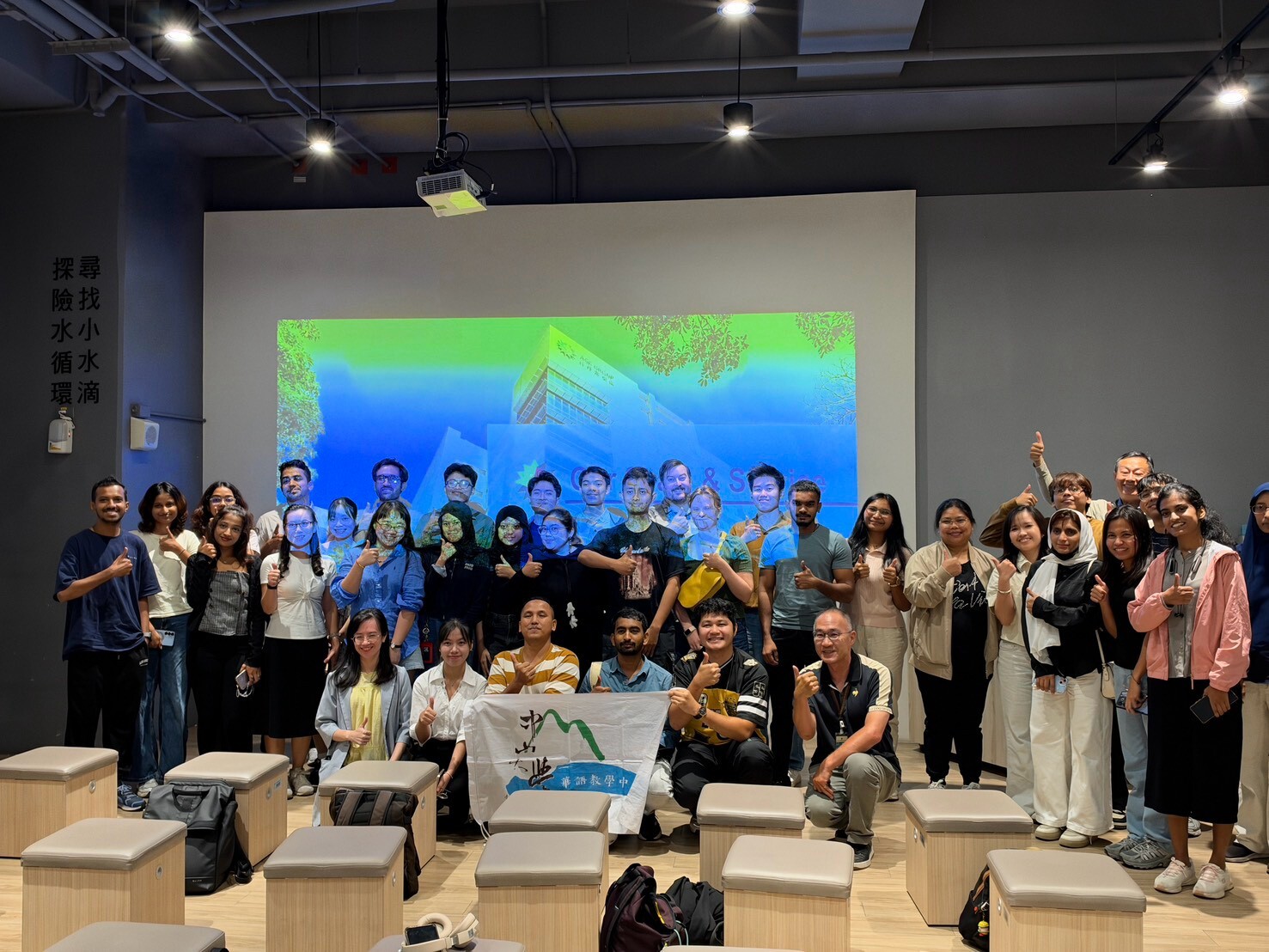
To help international students gain a deeper understanding of Taiwan’s semiconductor industry, corporate operations, and potential career opportunities, National Sun Yat-sen University organized a visit to the ASE Green Technology Education Center. Through company presentations, industry insights, a guided tour, and discussions with company representatives, students learned about the significance of Taiwan’s semiconductor sector and how companies approach environmental sustainability and talent development.
The visit focused on the semiconductor industry, environmental sustainability and resource management, and career exploration. Students were introduced to the fundamentals of semiconductor assembly and testing and had the opportunity to observe an industrial setting firsthand. ASE also tailored part of the program to international students by sharing information on employment pathways in Taiwan and options for longer-term career development after graduation. The visit also provided students with an opportunity to submit their resumes to ASE, allowing those interested in the industry to turn their learning experience into a practical step toward employment.
Broadening International Students’ Career Perspectives Through Industry Exposure
Exploring Taiwan’s semiconductor industry is more than learning how a technology company operates. It is also an opportunity to understand industry development, sustainability practices, and future career possibilities in Taiwan.
Taiwan’s semiconductor industry plays a significant role in the global technology supply chain. As a major company in semiconductor assembly and testing, ASE provided international students with a practical example of how Taiwan’s technology industry operates, develops technologies, and recruits talent.
During the visit, ASE representatives introduced the company's development, global operations, the semiconductor industry, and environmental sustainability initiatives. A guided tour and career-related presentations helped students understand the industry from multiple perspectives. ASE also included information specifically relevant to international students considering employment in Taiwan and provided an opportunity for students to submit their resumes. This extended the visit beyond industry learning and career exploration to practical job search preparation and future career planning in Taiwan.
Understanding ASE and the Global Semiconductor Industry
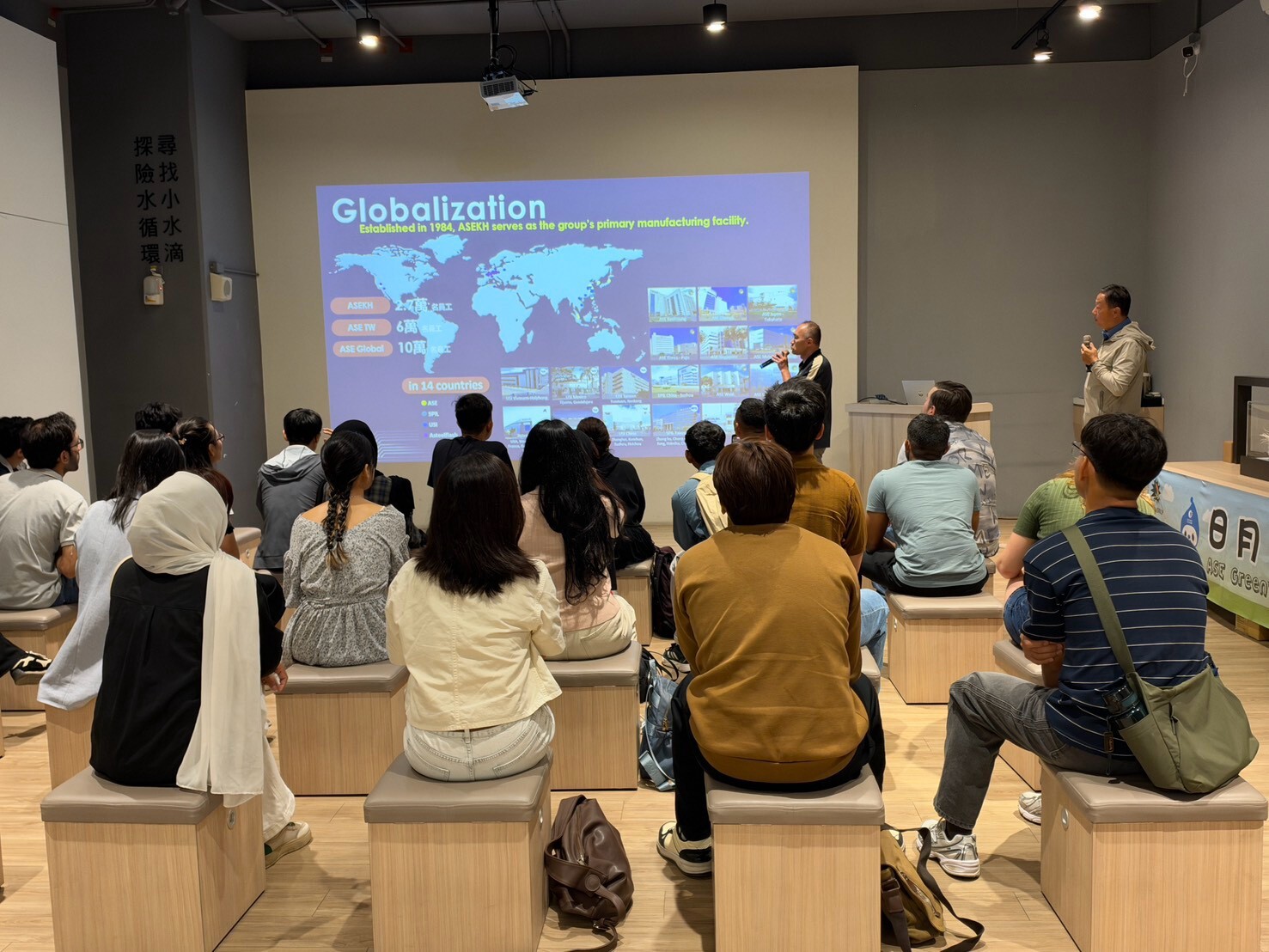
The visit began with an introduction to ASE’s history, global operations, and the importance of semiconductor assembly and testing within the global technology supply chain.
Through the company presentation, students learned about the corporate structure of ASE Technology Holding Co., Ltd. (ASE Holdings), as well as its business areas in semiconductor assembly, testing, and electronics manufacturing services. They gained a better understanding that the semiconductor industry extends beyond chip design and fabrication. Assembly and testing, supply chain management, and international operations are also essential parts of the overall industry.
Company representatives also introduced ASE’s global presence and the division of responsibilities across different locations. This helped students understand how Taiwan-based semiconductor companies connect with international markets and coordinate manufacturing, technical collaboration, and business operations across countries. The presentation provided a broader perspective on Taiwan’s role in the global semiconductor supply chain.
Understanding the Semiconductor Industry and Environmental Sustainability
Environmental sustainability was another major focus of the visit. ASE representatives explained the semiconductor industry’s demand for resources such as water, electricity, and gases. Students learned that technological development in high-tech industries must also be accompanied by responsible resource management and attention to environmental sustainability.
Water resource management was one of the key topics. Using examples from semiconductor manufacturing, the company explained how processes such as chip cleaning, grinding, and cutting require water, helping students understand its importance in semiconductor production.
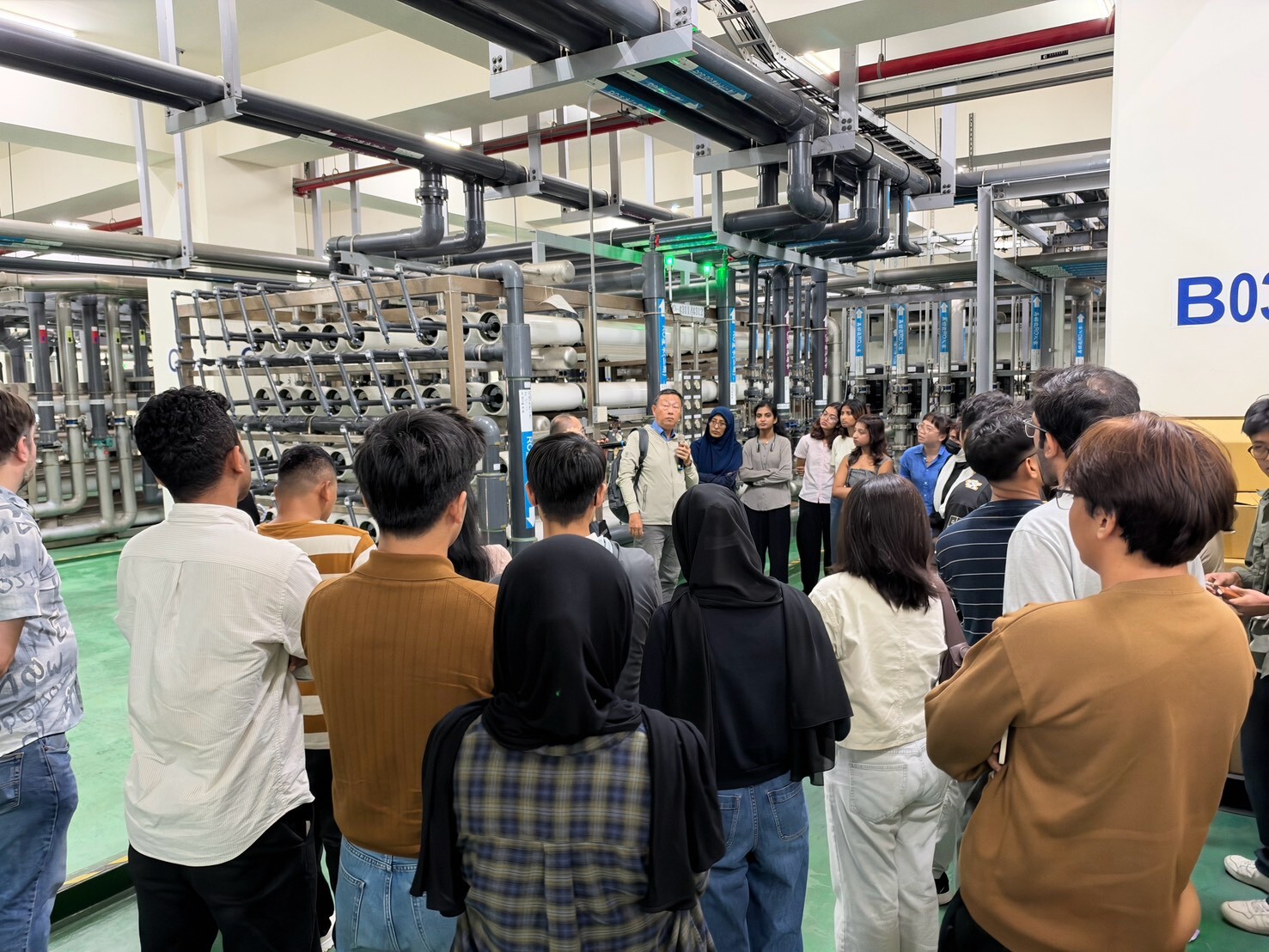
In addition to the presentations, ASE arranged a guided tour of related facilities. Company staff provided explanations during the tour, giving students the opportunity to observe equipment and the surrounding environment firsthand and connect what they had learned in the presentations with their on-site experience.
By combining presentations with the guided tour, the visit helped students understand semiconductor operations while gaining insight into the company’s emphasis on environmental sustainability and resource management.
Exploring Kaohsiung’s Semiconductor Ecosystem and Local Career Opportunities
Beyond ASE’s own operations, the program introduced the development of the semiconductor industry in Kaohsiung and the broader technology landscape in southern Taiwan.
Company representatives outlined the different segments of Kaohsiung’s semiconductor ecosystem, from design and manufacturing to assembly and testing, materials, and equipment. Students learned that the industry relies on collaboration among companies and specialists across multiple fields rather than the work of any single enterprise.
The introduction to Kaohsiung’s semiconductor cluster helped students connect regional industrial development with the local job market. For international students considering employment in Taiwan after graduation, it also offered a broader perspective on possible internships, jobs, and long-term career opportunities in Kaohsiung and nearby areas.
Beyond Engineering: Exploring Diverse Careers in the Semiconductor Industry and Resume Submission
During the career session, ASE representatives emphasized that semiconductor companies need professionals from many disciplines, not only engineers and technical specialists.
The presentation covered a range of corporate functions, including production planning, purchasing, customer service, logistics, information systems, facilities management, human resources, and finance.
Students learned that large semiconductor companies depend on cross-functional collaboration. Production scheduling, supply chain operations, customer communications, administration, and financial management all require people with different areas of expertise.
This session showed students that a degree outside engineering or semiconductors does not necessarily rule out a career in the technology sector. Depending on their skills, language abilities, and interests, students can explore a variety of roles. The examples encouraged them to consider how their academic backgrounds might align with industry needs and to broaden their career options in Taiwan.
In addition to introducing career opportunities across different departments, ASE also provided international students with an opportunity to submit their resumes. This allowed interested students to express their interest in employment with the company and explore potential career opportunities at ASE. Through this arrangement, students not only gained a better understanding of the company's talent needs and career paths, but were also able to turn the industry knowledge gained during the visit into practical job search preparation and action, establishing a more direct connection with a potential employer.
Information for International Students: Employment Pathways and Work Authorization in Taiwan
Recognizing that the visiting group consisted primarily of international students, ASE thoughtfully included a session on employment regulations and pathways in Taiwan, helping participants better understand the requirements and procedures associated with working in Taiwan after graduation.
Company representatives introduced routes to employment for international graduates, including Taiwan’s points-based system for overseas Chinese and foreign graduates seeking employment. The presentation covered assessment factors such as educational qualifications, salary, work or internship experience, and language proficiency, giving students an initial understanding of factors relevant to work permit applications.
ASE also shared information about longer-term career development in Taiwan and pathways to permanent residency. This helped students gain an overview of the stages from graduation and job searching to employment and longer-term residence, as well as the residency requirements that may apply.
By incorporating topics of direct concern to international students, ASE made the visit more than an introduction to the semiconductor industry. The session helped students connect employer expectations with practical considerations for preparing to work and build careers in Taiwan.
Connecting Industry Knowledge with Career Planning Through Q&A
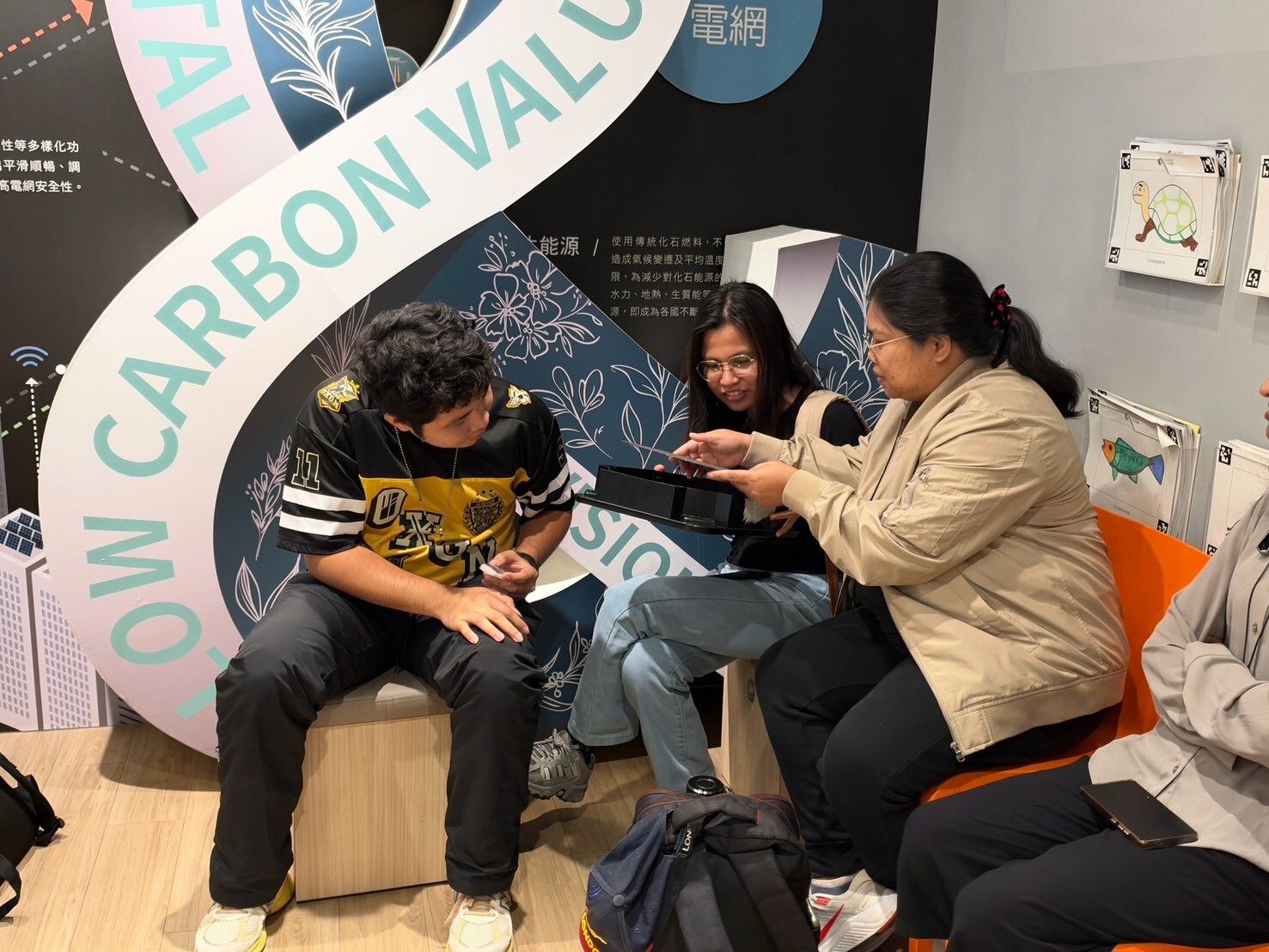
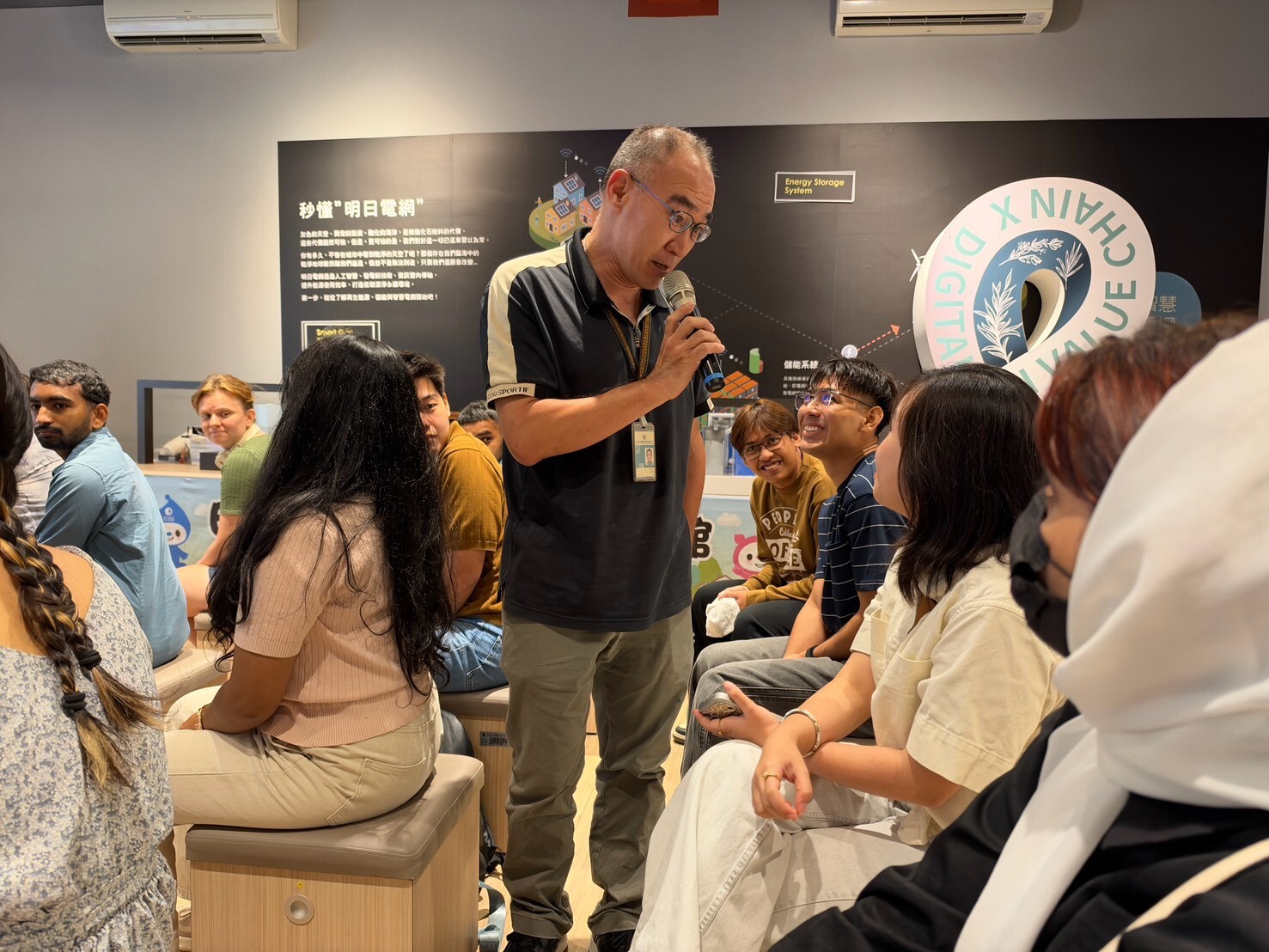
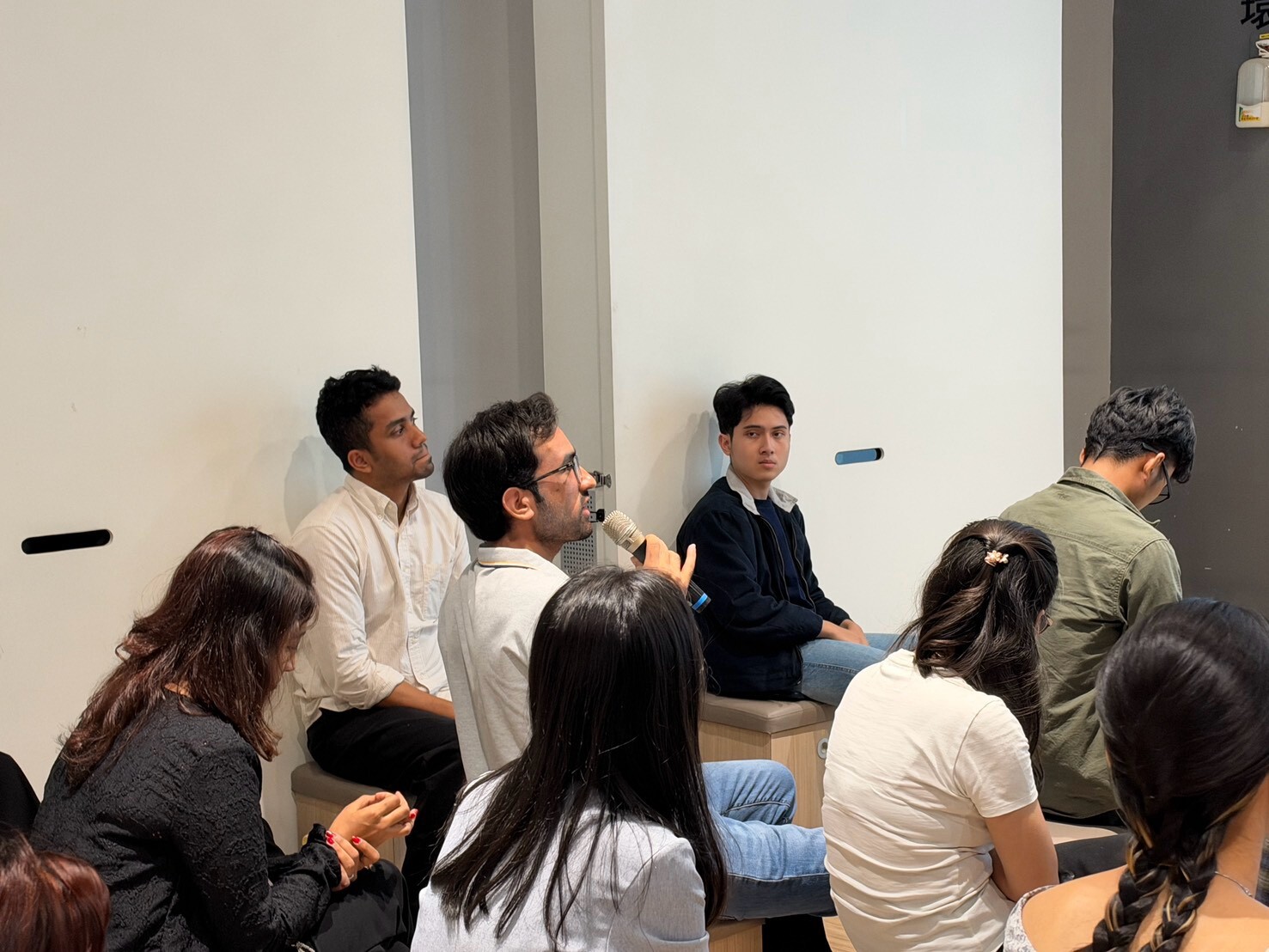
Throughout the presentations and career-sharing sessions, students had opportunities to ask questions and speak with ASE representatives about semiconductor manufacturing, industry developments, and career-related topics.
The company’s practical insights helped students connect broader industry concepts with real-world business operations and reflect on career options from different professional perspectives.
The program was conducted through Mandarin-language presentations with English interpretation, helping international students engage with the material and participate in discussions despite language differences.
Through the visit and direct exchanges with company representatives, students gained insights into Taiwan’s semiconductor industry, corporate functions, talent needs, and employment pathways, building a stronger foundation for future job searches and career development in Taiwan.
The visit to the ASE Green Technology Education Center combined an introduction to the semiconductor industry with environmental sustainability education, a guided facility tour, and career insights. Together, these activities gave international students a broader understanding of Taiwan’s technology sector and its operations. Through the company’s explanations and on-site observations, students learned about the role of semiconductor assembly and testing in the global supply chain and the importance of resource management in the industry.
The introduction to diverse corporate functions also helped international students from different academic backgrounds recognize cross-disciplinary career opportunities in the technology sector. ASE further provided students with an opportunity to submit their resumes, allowing interested participants to express their interest in employment with the company and extend their industry learning and career exploration into practical job search action. Notably, ASE specifically considered the needs of international students by incorporating information on the points-based system for employment in Taiwan and long-term residency into the visit. This helped students not only understand the semiconductor industry and career opportunities within the company, but also become familiar with the relevant regulations and procedures for working in Taiwan after graduation, better preparing them for future job searches and career development in Taiwan.
National Sun Yat-sen University will continue to organize company visits, career talks, and industry exchanges to help international students broaden their industry knowledge, understand Taiwan’s workplace environment, and prepare for career development and employment in Taiwan, while strengthening connections between international talent and local industries.
Event Highlights