10/16 Discover Your Career Path: From Self-Exploration to LinkedIn Job Search Achievements
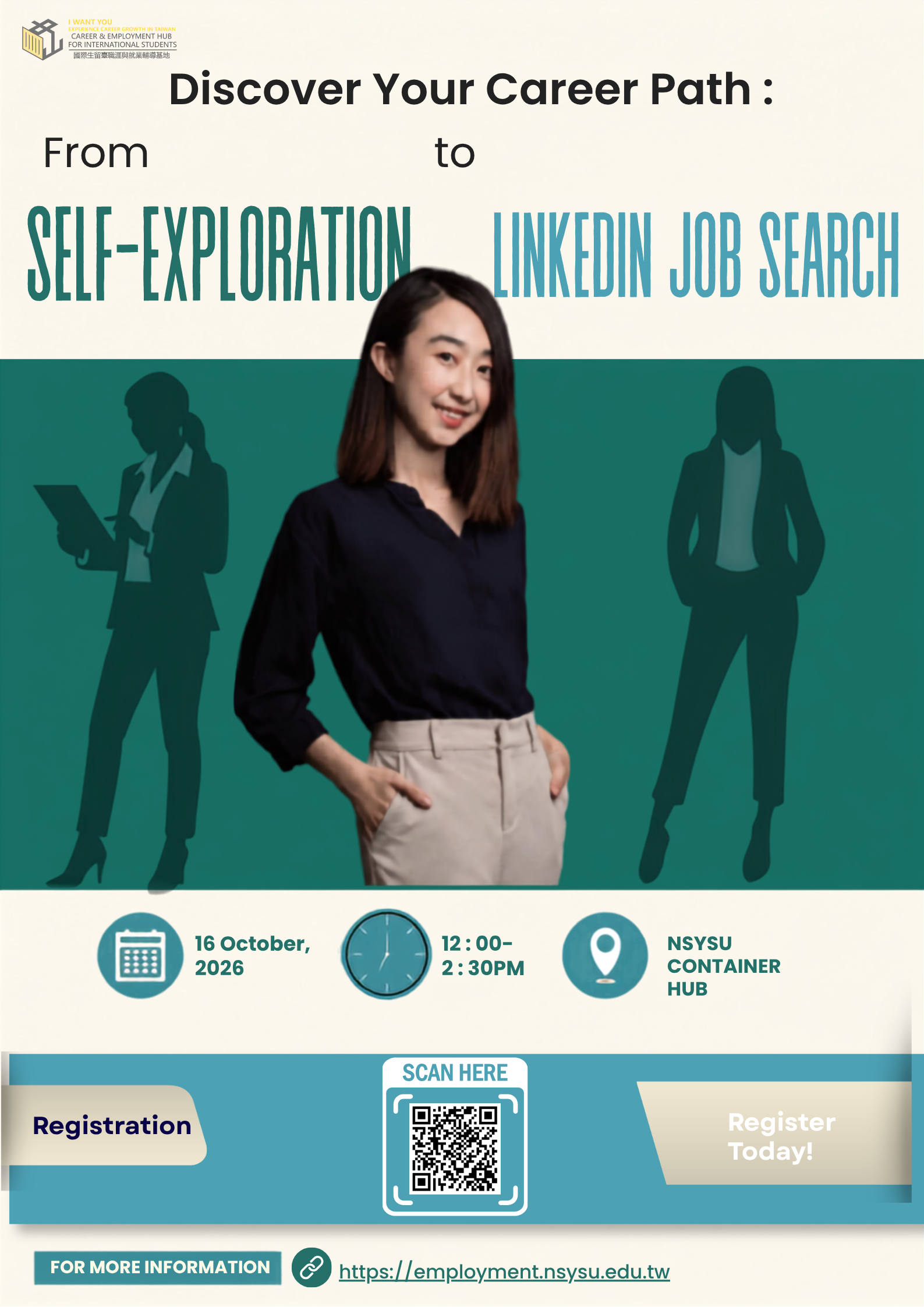
Discover Your Career Path:
From Self-Exploration to LinkedIn Job Search
12:00 PM – 2:30 PM
CNC-Certified Career Counselor
National Sun Yat-sen University
Office of International Affairs, National Sun Yat-sen University
Discovering Your Career Direction Begins with Understanding Yourself
To help international students explore their career interests and strengthen their preparation for employment in Taiwan, this event invited Coco Wu, a CNC-certified career counselor, to lead an interactive workshop combining career exploration cards, self-discovery activities, and practical LinkedIn job search strategies. The workshop encouraged participants to identify their interests, strengths, and personal values as a foundation for developing a clearer career direction.
The event consisted of two main components: career self-exploration and practical LinkedIn job search applications. Through interactive card-based exercises, participants were guided to better understand their career preferences and personal strengths, and then learn how to translate these insights into a professional profile and effective job search strategies. Individual career consultations were also arranged after the workshop, providing opportunities for participants to discuss their personal backgrounds, career choices, and employment plans in Taiwan with a career counselor.
From Career Exploration to Action: Building a Clearer Professional Identity
Finding the right career path is not simply about discovering available job opportunities. It begins with understanding yourself and learning how to connect your strengths with the needs of the job market.
The workshop began by addressing common concerns faced by international students seeking employment in Taiwan. These included uncertainty about where to begin a job search, concerns about whether their academic backgrounds match employers' expectations, and hesitation when making important career decisions. Through these discussions, the speaker encouraged participants to reflect on the challenges involved in career development.
Coco emphasized that language proficiency is not necessarily the only barrier to employment. A lack of clear strategies and professional positioning can also make the job search process more challenging. Therefore, developing a career direction begins with systematic self-exploration: understanding one's interests, strengths, and values before identifying opportunities that align with these personal qualities.
The Inner Triangle: Understanding Your Passion, Ability, and Values
The workshop introduced a career development framework that distinguishes between internal personal factors and external labor market conditions. At the center of this framework is the "Inner Triangle," which consists of three essential elements: Passion, Ability, and Desired Lifestyle or Values. Together, these elements provide a foundation for exploring meaningful career directions.
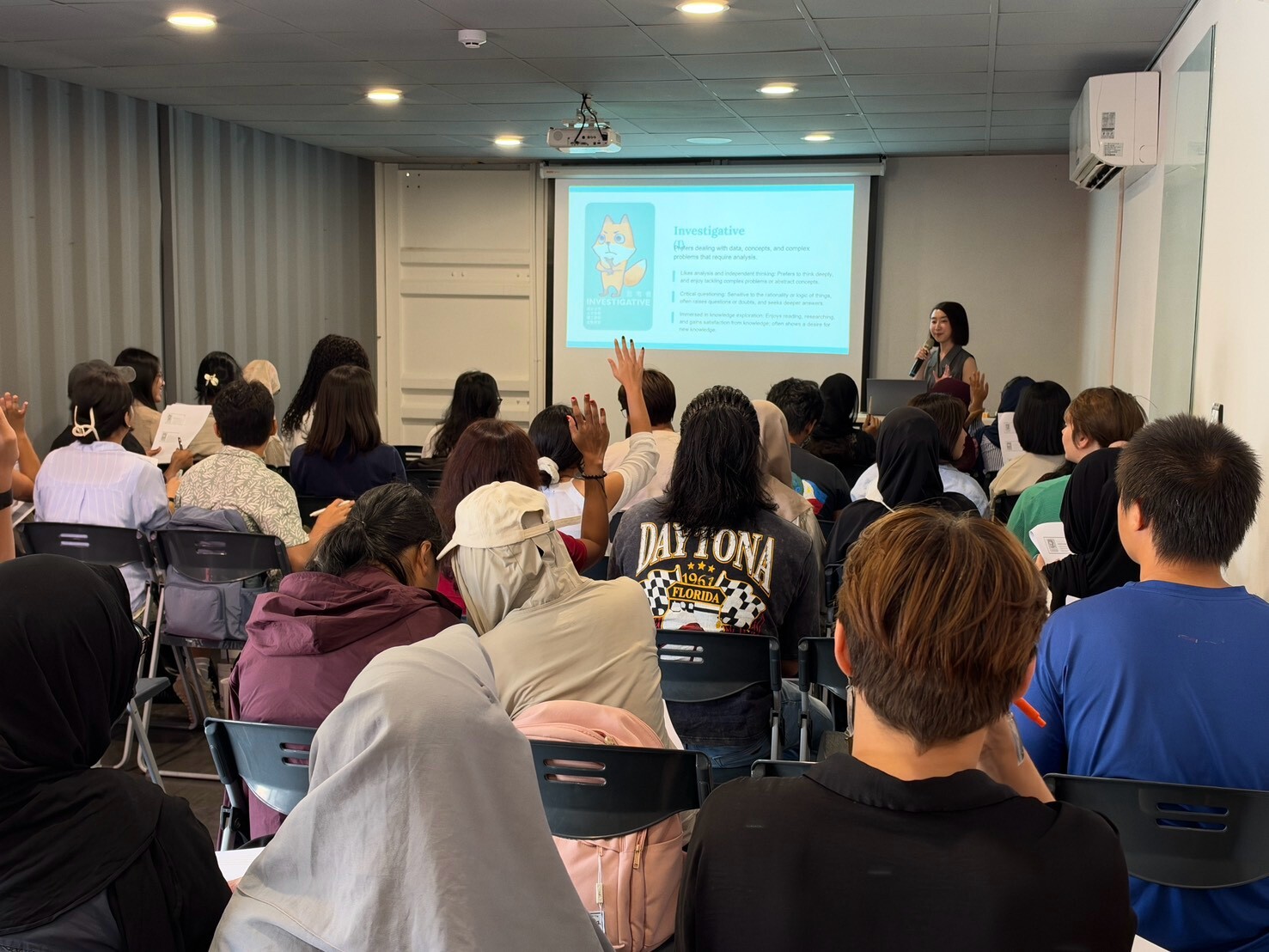
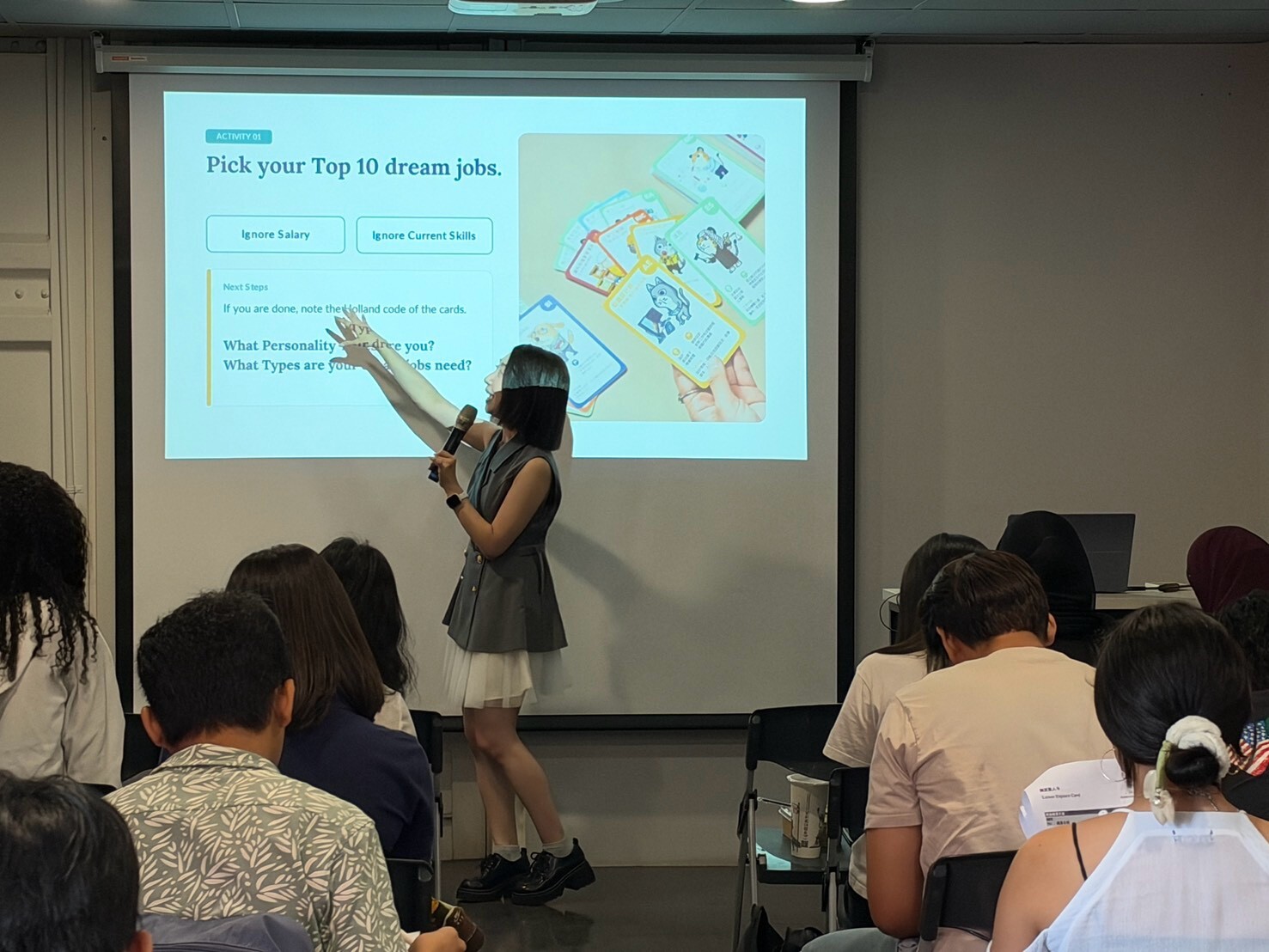
For the first component, Passion, Coco introduced Holland's six personality types, also known as the RIASEC model. Participants explored the relationships between personality characteristics and occupational preferences. Through career exploration cards, they selected jobs that genuinely interested them and examined how their preferences corresponded with different career categories.
The second component focused on Ability. Using the Competency Iceberg Model, the speaker explained that professional competencies include not only visible knowledge and skills but also deeper characteristics such as personal traits, motivations, and self-perception. Participants used competency lists to identify their natural strengths as well as activities that might be less suitable for them or require greater personal effort.
Finally, the Values exercise encouraged participants to reflect on the working conditions and lifestyle priorities that matter most to them. By categorizing value cards into essential requirements, desirable preferences, and less important factors, participants explored how future career choices could align with their preferred way of living.
Turning Self-Discovery into Clearer Career Directions Through Interactive Cards
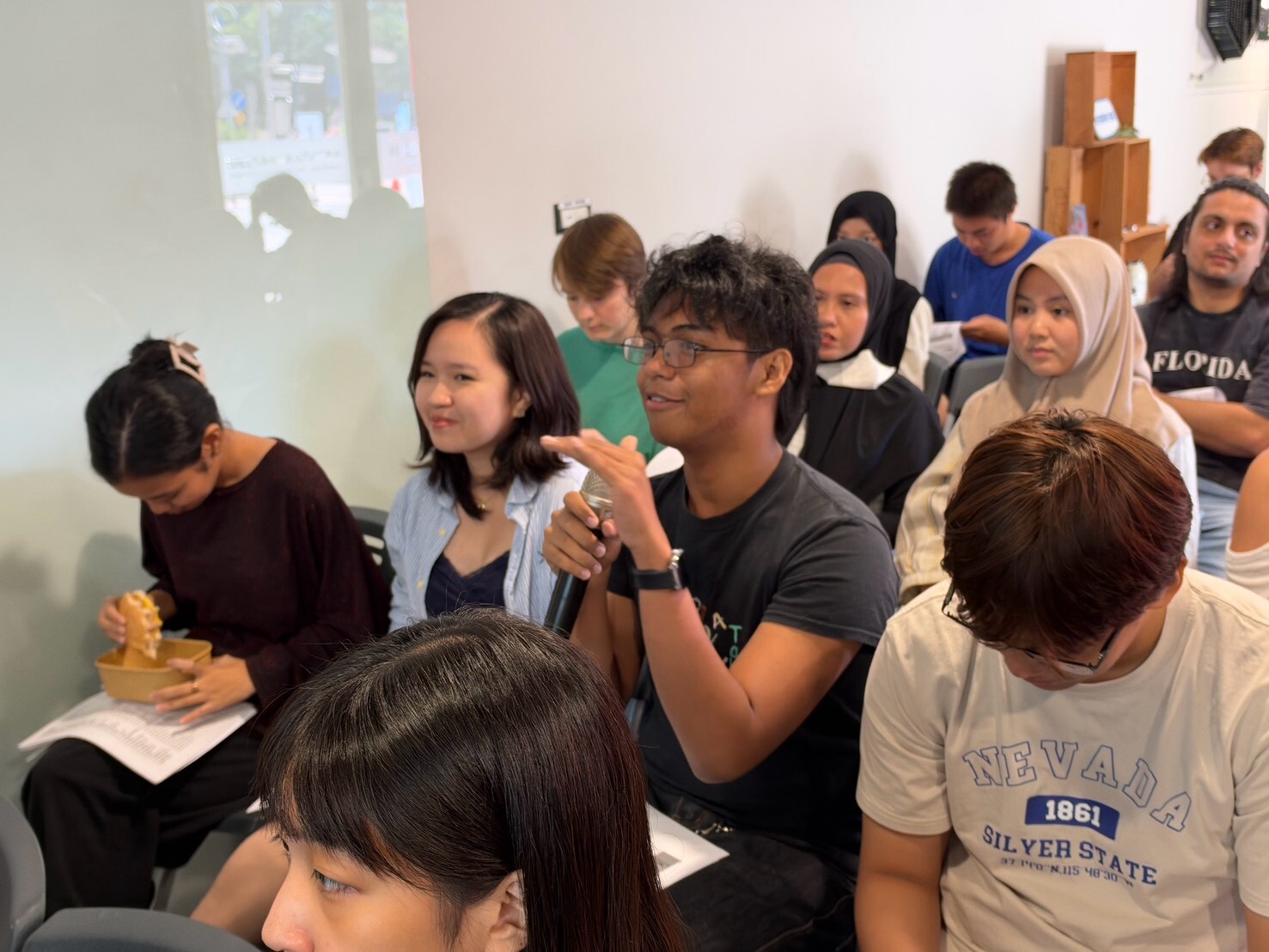
Rather than focusing solely on theoretical concepts, the workshop incorporated several hands-on activities. Through card selection, categorization, and group discussions, participants gradually developed a clearer understanding of their career interests, strengths, and priorities.
During the occupational interest activity, participants were invited to select their most appealing dream jobs without initially considering salary expectations or their current skill levels. This approach encouraged them to explore their genuine interests without being immediately constrained by practical limitations. Subsequent competency identification and value-ranking exercises helped them recognize what they naturally do well and what they hope to gain from their future careers.
At the end of the self-exploration process, participants were encouraged to summarize their findings through three key questions: Which jobs interest me most? What are my greatest strengths? And which personal values are non-negotiable? By reflecting on these questions, participants could begin transforming uncertain career ideas into more specific descriptions of their professional identities and future directions.
From Self-Exploration to LinkedIn: Building a Professional Identity That Employers Can Recognize
Following the career exploration activities, the workshop shifted its focus to practical LinkedIn applications. Coco demonstrated how personal interests, strengths, and values could be translated into a professional online presence, helping students communicate their potential to employers and recruiters.
The session introduced essential LinkedIn profile elements, including professional profile photos, the "Open to Work" feature, and an effective profile headline. The speaker highlighted the importance of incorporating target job titles and relevant professional keywords into the headline, enabling recruiters to quickly understand a candidate's career interests and areas of expertise.
Particular attention was given to the LinkedIn "About" section. Participants were encouraged to draw upon the results of their Inner Triangle exploration and develop a coherent professional story. Instead of merely listing academic qualifications or skills, they learned how to describe their core strengths, relevant experiences, and professional capabilities in a meaningful and engaging way.
By connecting career self-discovery with LinkedIn profile development, the workshop demonstrated how a stronger understanding of personal qualities can support the creation of a more focused and recognizable professional identity.
Understanding Job Requirements: Connecting Personal Strengths with Career Opportunities
The LinkedIn strategy session also introduced methods for analyzing job descriptions and identifying employers' expectations. Participants learned to examine key responsibilities, required qualifications, and desired competencies, and then compare these requirements with their own strengths and experiences.
Through job description analysis and keyword matching, students were introduced to ways of recognizing commonly requested professional skills and incorporating relevant terminology into their resumes and LinkedIn profiles. This approach helps job seekers present their qualifications more clearly in relation to their target positions.
Coco also introduced a reverse-engineering approach to career planning. Students were encouraged to use LinkedIn to identify alumni and professionals working in their desired roles or companies, examine their educational and professional backgrounds, and observe the experiences and skills they developed along their career journeys.
These strategies illustrated that an effective job search involves more than simply browsing vacancies. By understanding market expectations, building a professional online presence, and learning from existing career paths, students can take a more intentional approach to planning their next steps.
Individual Career Consultations: Extending Group Learning into Personalized Career Planning
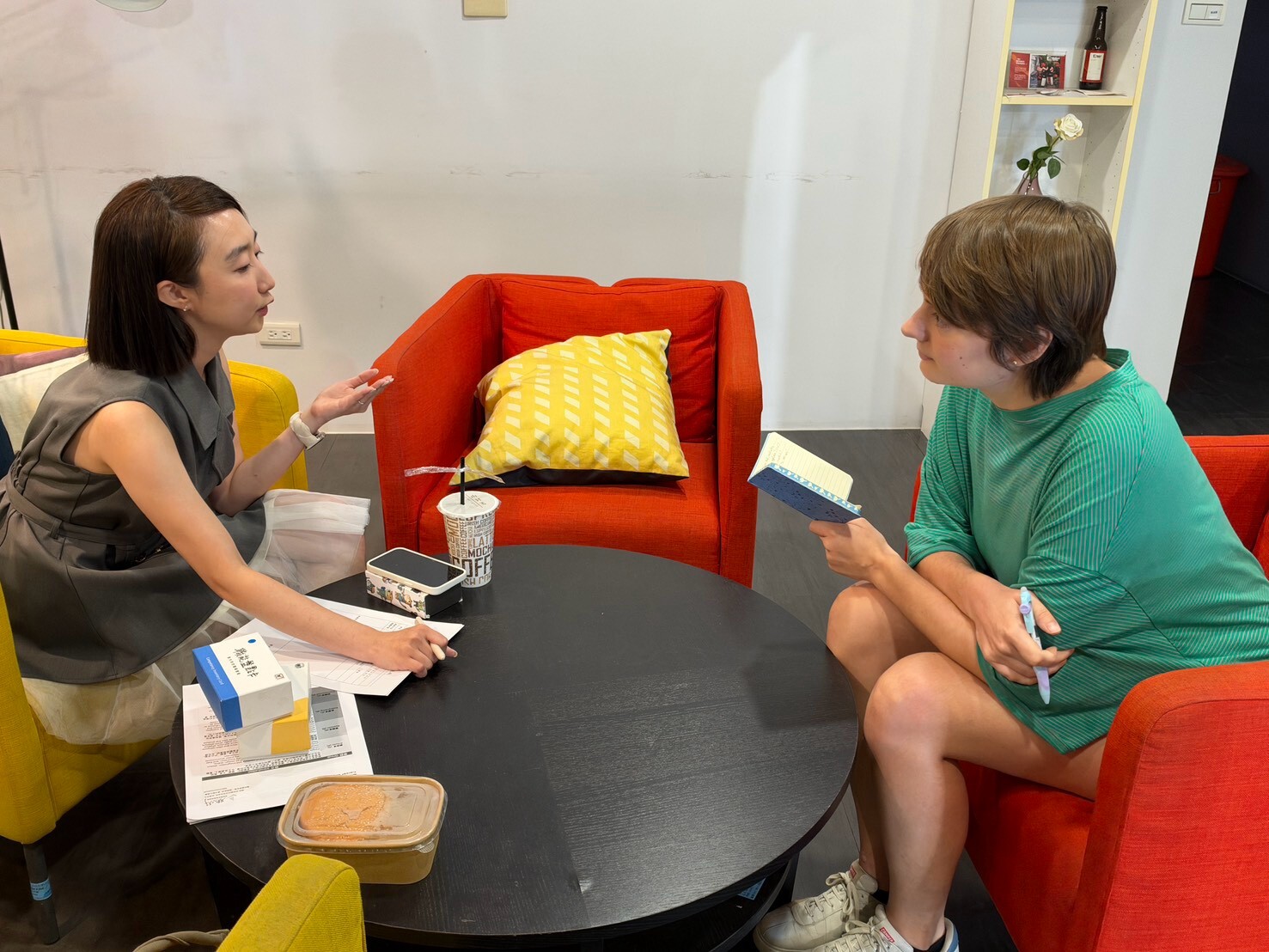
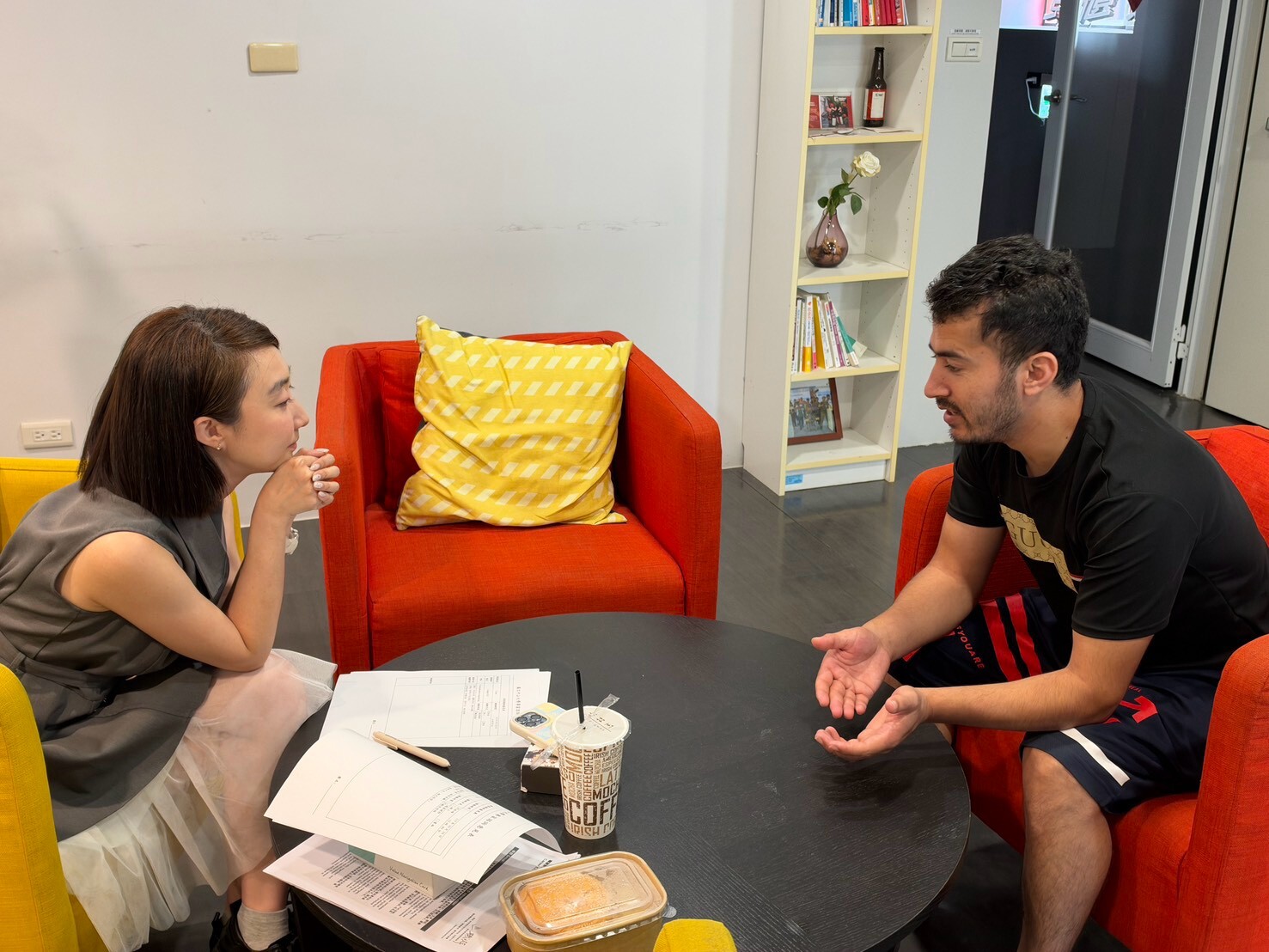
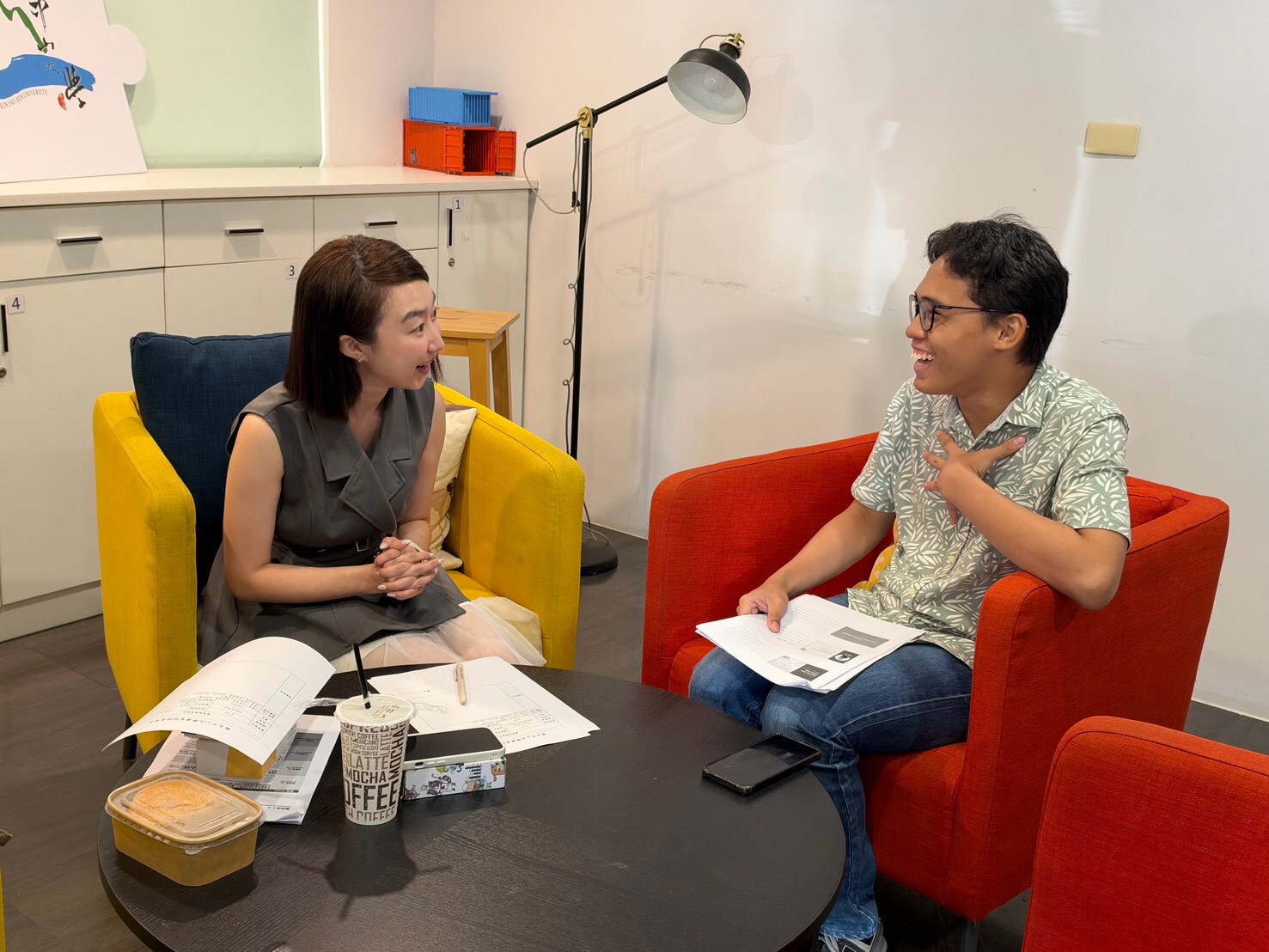
Following the workshop, one-on-one career consultation sessions were also arranged to provide participants with opportunities to discuss their individual career-related concerns in greater depth.
Based on their academic backgrounds, professional experiences, employment goals, and plans to work in Taiwan, participants could discuss their questions with a career counselor. The consultations were designed to help students connect the interests, strengths, and values identified during the workshop with practical career decisions and job search directions.
By combining interactive group learning with personalized consultations, the event aimed to extend career exploration beyond self-awareness and support more concrete career planning and decision-making.
Through career exploration cards, practical LinkedIn strategies, and individual career consultations, this event provided international students with a structured opportunity to explore their interests, abilities, and personal values while developing a clearer sense of professional direction. By combining self-discovery with practical job search applications, the workshop introduced approaches to LinkedIn profile optimization, job description analysis, and career path exploration. These learning experiences offered participants useful tools and perspectives to support their future career planning and preparation for employment in Taiwan.
Event Highlights
Event Poster